How I say the Ombudsman was misled by the Co-operative Bank
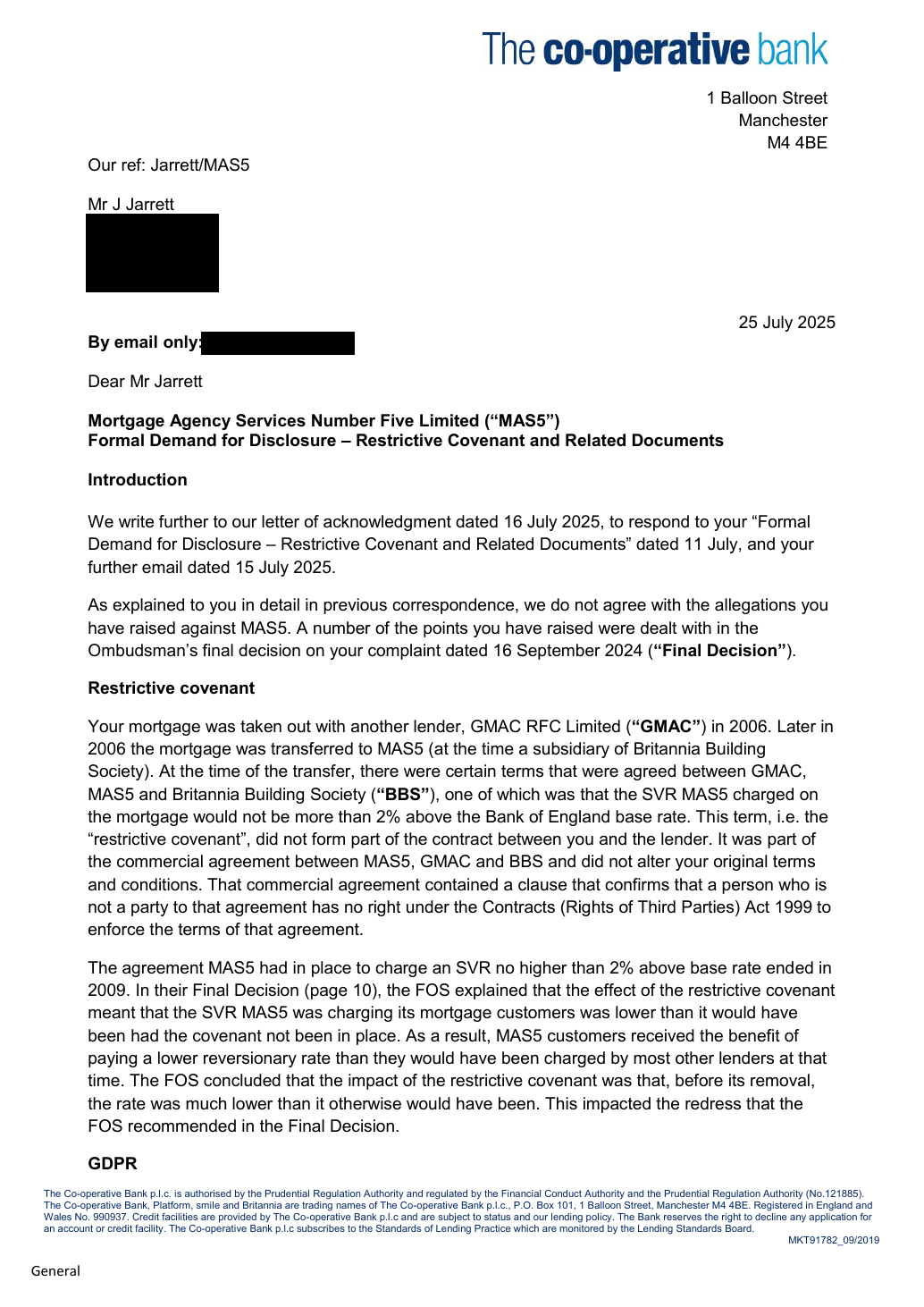
The Bank’s submission gives differing accounts of when it says the covenant ended: April 2009, until 1 April 2009, and May 2009. April and 1 April can be consistent; May requires an explanation. The Bank has not produced to me the operative release document establishing its date, terms and effect. I do not concede that the covenant was validly released.
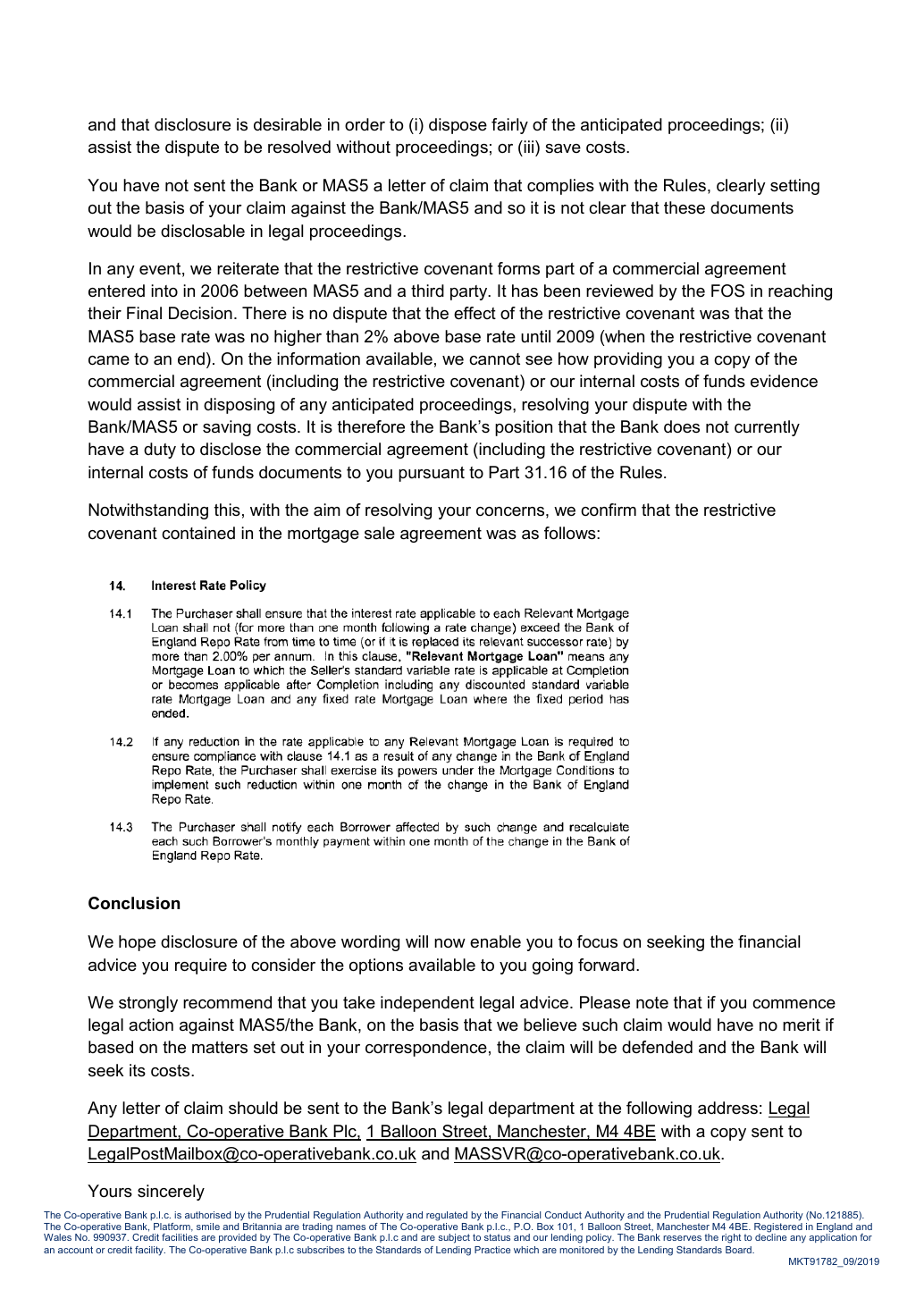
A central part of the Bank’s defence treats the covenant as a private commercial arrangement between companies. Yet Clause 14 required interest-rate reductions, notification to affected borrowers and recalculation of their payments. Those duties concern borrowers directly. They must be addressed when deciding what protection accompanied the purchase of our mortgages.
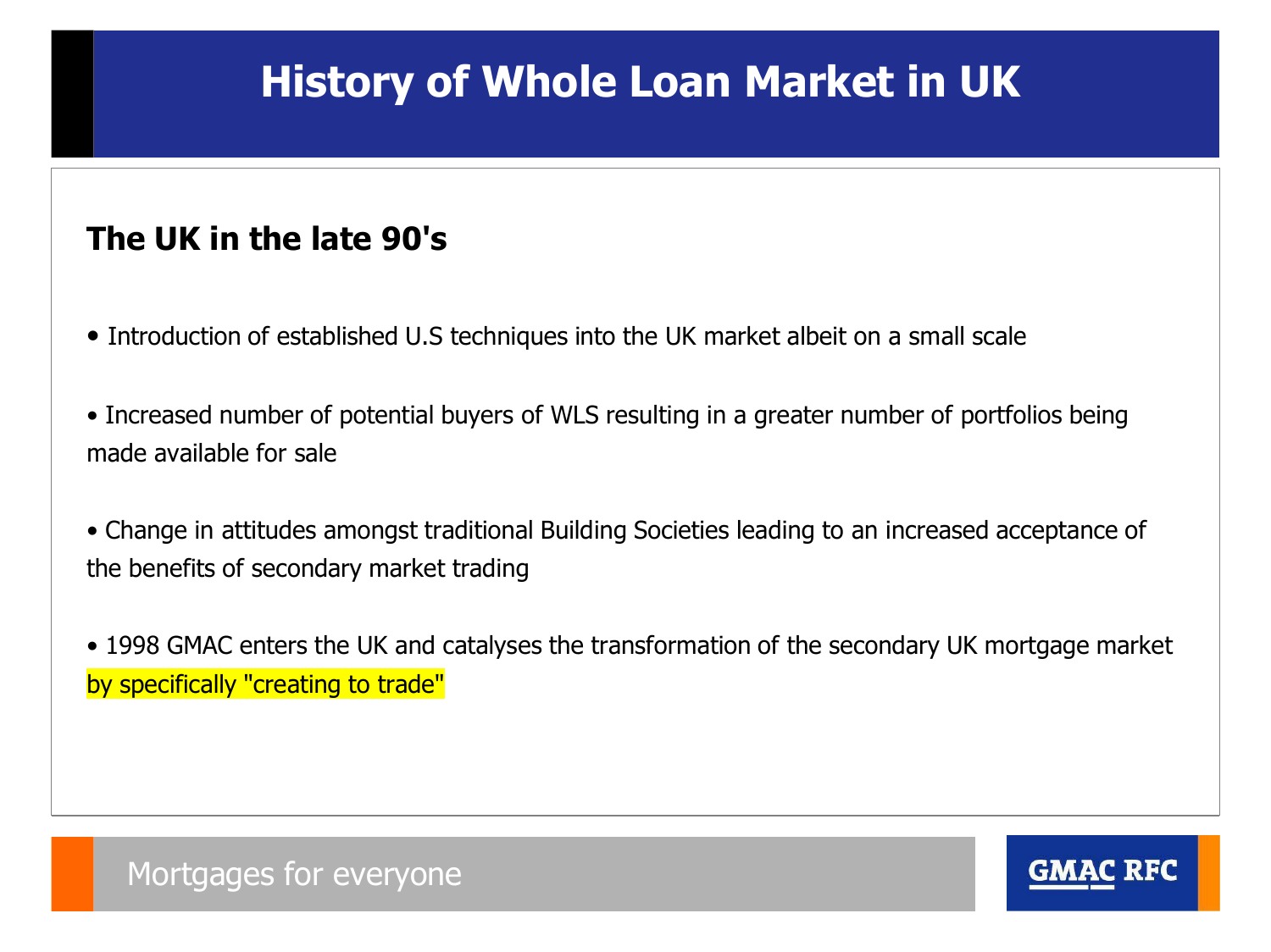
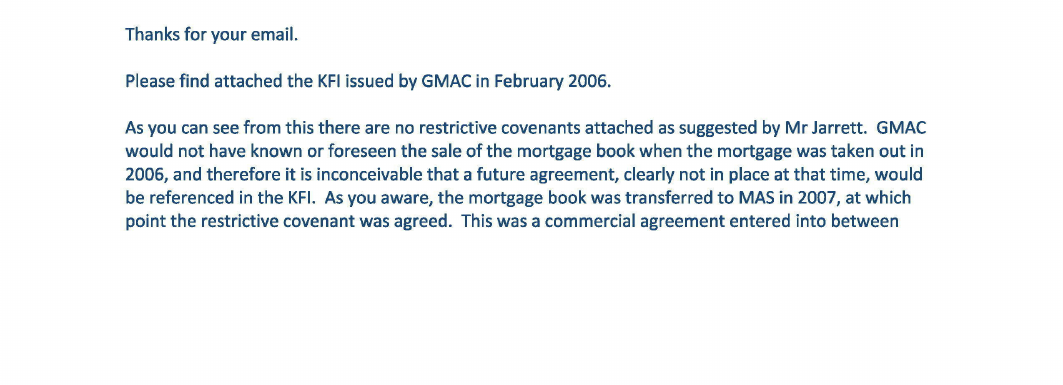
The Bank refers to “the mortgage book” transferring in 2007. I contend that this was deliberate misleading: my mortgage transferred on 30 June 2006, and the Bank already held the correct date and had used it in its enforcement records. In its statement of case on my complaint of 13 January 2022, it had told the Service that my mortgage “was transferred to MAS5 in June 2006”, and enclosed my transfer notice. The false chronology then supported its argument against my complaint, separating the covenant from my mortgage and dismissing the significance of my original pricing. That requires an explanation against the documents.
The resulting reasoning treated the lower rate produced by the covenant as a benefit that could justify leaving the later increases in place. My case is that this conclusion must be reconsidered against the actual transaction and the covenant’s duties. It also left an earlier issue unexamined: reductions which, on my reading of Clause 14, MAS5 had to make within one month were already late. MAS5 was then within Britannia; the Co-operative Bank later defended its account to the Service.
First missed deadline · 7 December 2008Bank Rate fell on 6 November 2008. Clause 14 required the corresponding reduction within one month, by 6 December. A recovered MAS5 notice to a fellow borrower made the reduction to 4.99% effective 11 December; my own rate record gives the same date. The notice’s 1 January 2009 payment date is a different thing. I say the first breach began on 7 December.
What borrowers were told · September 2009A later MAS5 notice to the same borrower announced a rise to 4.50% from 1 October and said the SVR was not linked to the Bank of England base rate or the LIBOR rate
. It did not explain the covenant or the earlier duty to reduce. These are that borrower’s recovered copies; my own rate record shows the same rise on the same date.
In separate Davies proceedings, MAS5 told the court that its rate-change letters from before January 2010 were no longer available after computer-system changes. A fellow borrower’s surviving copies now show what two of those notices said, and every rate and date in them matches my own rate record to the day. The Ombudsman’s jurisdiction decision, below, proceeds on the basis that MAS5 wrote to me each time it changed the rate.
In its 4 July 2024 jurisdiction decision, the Ombudsman reasoned that I should have known I could complain about the rate because MAS5 wrote when it changed the rate and I could see the increases while Bank Rate stayed still. But I am also complaining about reductions it failed to make. No rate-change letter would announce a reduction that never happened. The recovered customer-facing explanation pointed away from a Bank Rate link, while the covenant and its protective duties had not been disclosed to me.
The transfer notice told me in June 2006 that my lender had changed; it did not tell me about the earlier GMAC–Britannia sale programme or Clause 14. If I had known of that protection and the missed December 2008 deadline, I could have complained then. I say the Bank’s incomplete account misled the Service about what I could reasonably have known. I have asked it to reconsider that question under DISP 2.8.2R(2)(b), which provides for a later three-year period from awareness, or reasonable awareness, of a cause for complaint.
My complaint is about what I contend was a deliberate overcharging business model and the Bank’s attempts to conceal it. I rely on the false 2007 account as evidence of that concealment, read alongside the Bank’s correct transfer records, the earlier GMAC acquisition programme and its other inconsistent statements. I contend that it was deliberately misleading, not an isolated mistake. The undisclosed covenant, the missed reductions and the concealment of the business model are all relevant to assessing when I knew, or ought reasonably to have known, that I had cause for complaint. The later disclosure of that false account therefore matters to reconsideration of the time-limit question as well as the merits.
Why reconsideration matters. In R (Moniak) v FOS [2023] EWHC 333 (Admin), later evidence undermined a central factual premise of an Ombudsman decision. The court quashed the refusal to reconsider and required the Service to decide that request again; it did not prescribe the outcome of the complaint. My position is that findings built on the Bank’s false chronology cannot safely be maintained without confronting the evidence and assessing what changes when the true history replaces it.
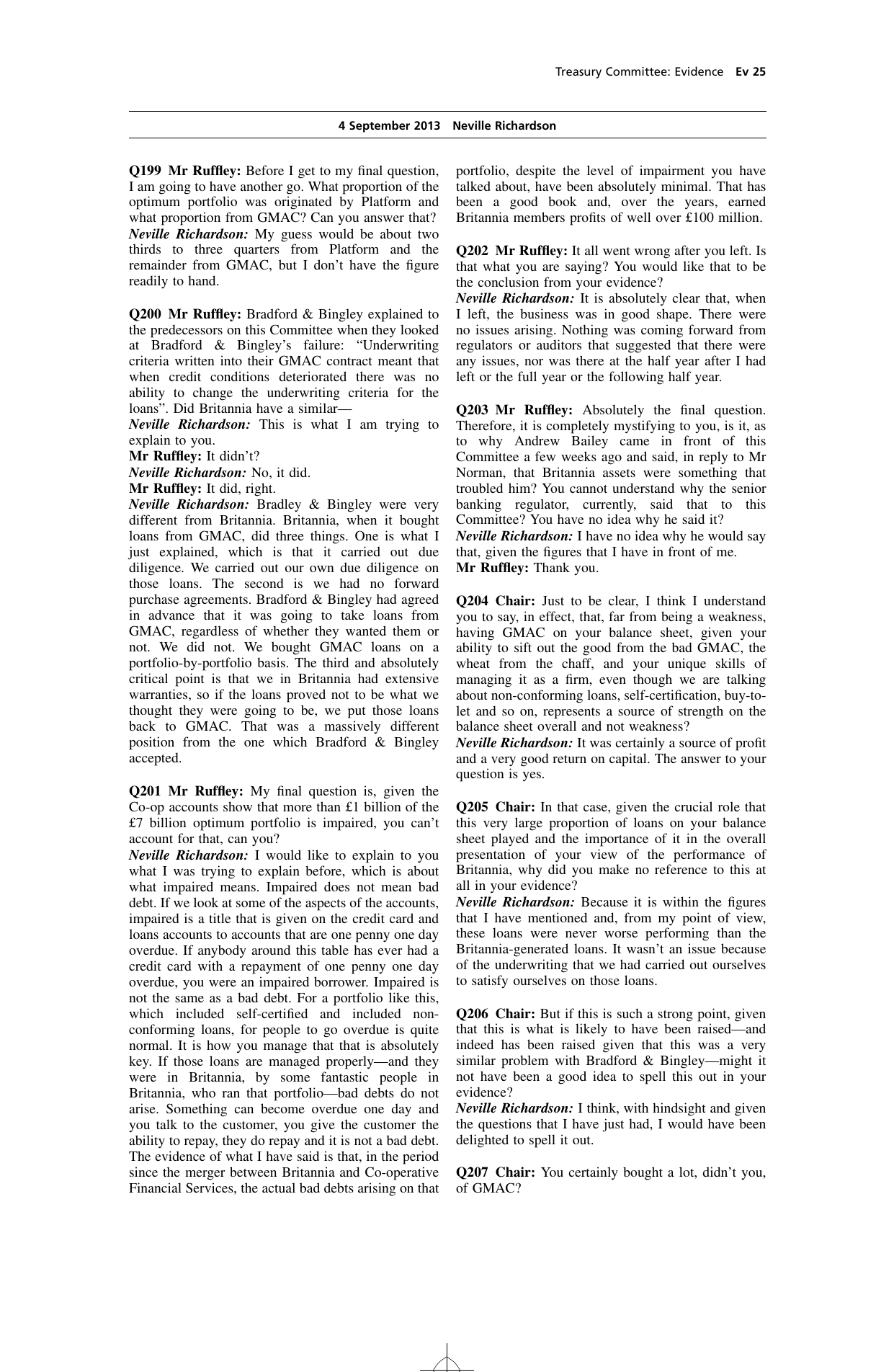
Sources: Bank submission (E-FOS-15, ¶¶7.6, 9.1.4, 9.1.6 and 10.6.7); Clause 14 (E-DIS-01, p. 3); Bank email (E-FOS-13); Bank statement of case, 13 January 2022 (E-FOS-16, pp. 2 and 6); transfer and enforcement records identified in Ground 1; recovered MAS5 notices (E-CMP-08); my SSR0109 rate record (E-STM-03); MAS5’s Davies skeleton, ¶12 n.6 (E-JRB-01); Jurisdiction Decision, pp. 3 and 6; Final Decision, pp. 9–10; Moniak, ¶¶67–68 and 81–82. The recovered notices identify another borrower and are not reproduced here.